الوضع الليلي


 10:48:18
  2026-07-09
  1166
1166
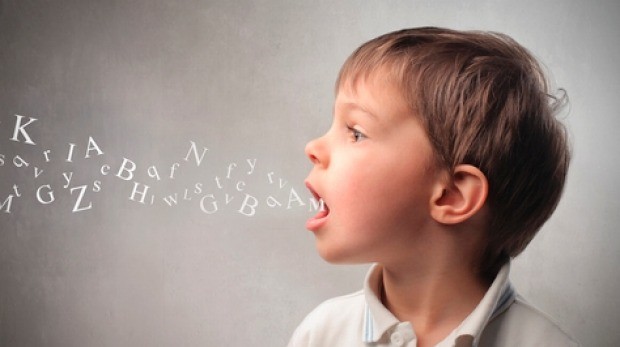
A reading-related speech disorder affects approximately 12% of children, with the first signs usually appearing between the ages of 6 and 8. This disorder can be managed through the help of speech-language specialists, who are often able to overcome the problem if intervention begins early.
A child with this disorder tends to confuse similar letters (such as s and sh, f and q, b and t, etc.) as well as similar speech sounds (for example, confusing the sounds of s and j, or d and t). As a result, the child may read one word as another with a similar sound. They are generally better at pronouncing words that are spelled exactly as they are pronounced than words with irregular spelling. For example, they may pronounce the Arabic word ra'a ("he saw") as raay. They also experience significant difficulty reading aloud phrases that contain similar-sounding words, such as the Arabic tongue twister, "The white hens lay eggs."
These are only a few of the signs that may indicate dyslexia, a condition that can negatively affect a child's academic performance. However, dyslexia may also occur in children who initially appear highly intelligent and possess every indication of future success. It affects boys at more than three times the rate of girls and is more common among left-handed children. Experts believe the disorder is primarily caused by neurological and genetic factors rather than emotional or psychological ones. The important thing is to prevent children from suffering unnecessarily, and fortunately, this is now increasingly possible.
Children with dyslexia are neither mentally ill nor intellectually disabled. Rather, they seem as though they experience the world differently, possessing a unique neurological makeup that requires a different way of understanding their surroundings. They also have a distinctive approach to reading and writing that calls for specialized teaching methods. In a sense, they can be viewed as bilingual, possessing their own internal language in addition to the language spoken by everyone else. Their language system follows its own rules, although others may mistakenly perceive it as random or disorganized.
The first signs of dyslexia usually appear between the ages of 6 and 8, when children begin learning to read. However, the condition may remain unnoticed for a long time by parents and teachers. Early detection is extremely important because it helps prevent persistent academic failure from becoming established and being misinterpreted as a sign of poor intelligence or limited mental ability. Without proper support, children may also begin to experience frustration and emotional distress.
According to specialists in child and adolescent psychology, children with this disorder often suffer from low self-confidence and feelings of guilt because they are unable to meet their parents' expectations. They may also experience severe mood swings. If left untreated, some may become withdrawn and passive, while others may develop disruptive behavior, suffer from deep frustration, or even experience emotional breakdowns.
How Can We Help Them?
Parents should first meet with the child's classroom teacher to ensure that the child receives appropriate educational support and specialized instruction. They should then consult a speech-language specialist, who can administer a series of assessments to determine whether the child has the disorder.
A comprehensive evaluation of the child's behavior is also recommended to determine whether psychological support is needed. If emotional assistance is necessary, parents should consult a psychologist or psychiatrist. Intelligence tests specifically designed for children with dyslexia may also be conducted to reassure parents and teachers that the child possesses normal intellectual abilities.
Parents should enrich their children's lives by exposing them to music, poetry, and theater, helping stimulate their senses and encouraging artistic expression. Such experiences can motivate children to learn language in order to better understand others, while also strengthening their self-confidence—something they greatly need.
It is also helpful to remind children that many famous historical figures reportedly struggled with dyslexia during childhood, including Albert Einstein, Leonardo da Vinci, and Auguste Rodin.
Practical Advice for Parents
If we truly want to support children with this disorder, parents should understand several important principles and follow these guidelines:
Early recognition, professional intervention, and consistent support from both parents and teachers can make a significant difference in helping children with dyslexia overcome challenges and achieve their full academic and personal potential.
Reality Of Islam |
|

Keeping sil

Two experim
Changing a

Plants are
 9:3:43
2018-11-05
9:3:43
2018-11-05
10 benefits of Marriage in Islam
7:5:22
2019-04-08
benefits of reciting surat yunus, hud &
9:45:7
2018-12-24
advantages & disadvantages of divorce
11:35:12
2018-06-10
6:0:51
2018-10-16
2:33:4
2023-02-15
3:42:22
2021-12-24
6:14:17
2018-06-21
5:58:12
2021-12-18
6:0:8
2023-03-19
5:57:34
2023-03-18
2:11:12
2022-10-15
5:41:46
2023-03-18
| LATEST |
 HOME
HOME