الوضع الليلي


 12:22:57
  2025-12-08
  2154
2154
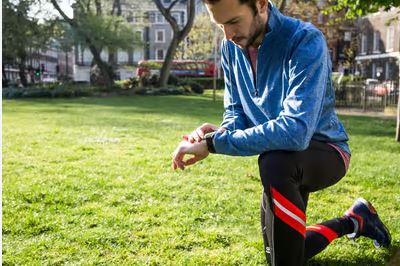
Scientists found that toxic air can greatly reduce the protective effects of exercise, although it doesn’t erase them completely.
When PM2.5 pollution passes widely experienced thresholds, the health boost from regular activity drops noticeably and can fall to roughly half its usual strength.
Toxic Air Exposure Weakens Exercise Benefits
A new international study involving experts from UCL (University College London) suggests that long-term exposure to polluted air may sharply reduce the health advantages normally gained from regular physical activity.
Published in BMC Medicine, the research analyzed information from more than 1.5 million adults who were monitored for over ten years in countries including the UK, Taiwan, China, Denmark, and the United States.
The researchers observed that people living in areas with high levels of pollution experienced a noticeably smaller reduction in their risk of death during the study period. This pattern applied to overall mortality, as well as deaths linked to cancer and heart disease, although exercise still offered some benefit.
Fine Particle Pollution and How It Affects the Body
To understand these effects, the team examined concentrations of fine particulate matter, also called PM2.5s. These particles measure less than 2.5 micrometers across and are small enough to travel deep into the lungs and pass into the bloodstream.
The study found that the advantages of exercise were significantly weakened when yearly PM2.5 averages reached 25 micrograms per cubic meter (μg/m3) or above. Nearly half (46%) of the world’s population live in regions where pollution meets or exceeds this level.
Lead researcher Professor Po-Wen Ku of National Chung Hsing University in Taiwan explained: “Our findings emphasize that exercise remains beneficial even in polluted environments. However, improving air quality can greatly enhance these health gains.”
Co-author Professor Andrew Steptoe, from UCL’s Department of Behavioural Science & Health, added: “Our study shows that toxic air can to some extent block the benefits of exercise, although not eliminate them. The findings are further evidence of the damage that fine particle pollution can do to our health.
“We believe clean air and physical activity are both important for healthy aging, and so we encourage greater efforts to curb health-harming pollution levels.”
Large-Scale Data Shows Pollution Can Cut Exercise Benefits in Half
To carry out their analysis, the team combined results from seven previous studies, three of which had not been published before. They merged summary statistics from all studies and re-analyzed individual-level data for three of them.
Across the combined dataset, people who completed at least two and a half hours of moderate or vigorous exercise[1] each week had a 30 percent lower risk of dying during the study period than those who did not reach this level of activity.
However, among people who exercised this much but lived in areas where PM2.5 levels exceeded 25 μg/m3, the benefit was reduced to about 12 to 15 percent.
The protection provided by exercise weakened even further at pollution levels above 35 μg/m3. In these conditions, reductions in cancer-related deaths were no longer strong. About 36 percent of the global population live in places where average yearly PM2.5 levels exceed 35 μg/m3.
Pollution Levels Vary Widely, Even in Lower-Pollution Regions
Participants from the UK experienced average yearly PM2.5 concentrations of 10 μg/m3, which are below the thresholds associated with the largest reductions in exercise benefits. However, pollution levels in UK cities fluctuate considerably, and winter spikes often exceed the study’s critical threshold of 25 μg/m3.
Co-author Professor Paola Zaninotto from UCL’s Department of Epidemiology & Public Health said: “We don’t want to discourage people from exercising outdoors. Checking air quality, choosing cleaner routes, or easing off intensity on polluted days can help you get the most health benefits from your exercise.”
Study Limitations and Global Context
The authors noted several limitations. Because most of the data came from high-income countries, the results may not fully represent conditions in low-income regions, where PM2.5 levels frequently exceed 50 μg/m3. The researchers also lacked detailed information on indoor air quality and participants’ diets.
Even so, the analysis accounted for many other factors, including income, education, smoking habits, and whether participants had existing chronic medical conditions.
Reality Of Islam |
|

Keeping sil
Two experim

Changing a
Plants are
 9:3:43
2018-11-05
9:3:43
2018-11-05
10 benefits of Marriage in Islam
7:5:22
2019-04-08
benefits of reciting surat yunus, hud &
9:45:7
2018-12-24
advantages & disadvantages of divorce
11:35:12
2018-06-10
6:0:51
2018-10-16
the happy life of mankind requirement
6:36:36
2022-01-25
4:25:57
2023-02-11
8:39:51
2022-09-23
10:55:53
2022-06-13
4:26:43
2022-02-21
9:50:37
2023-02-28
7:26:19
2022-04-08
5:41:46
2023-03-18
| LATEST |
 HOME
HOME