الوضع الليلي


 10:23:29
  2025-09-09
  1956
1956
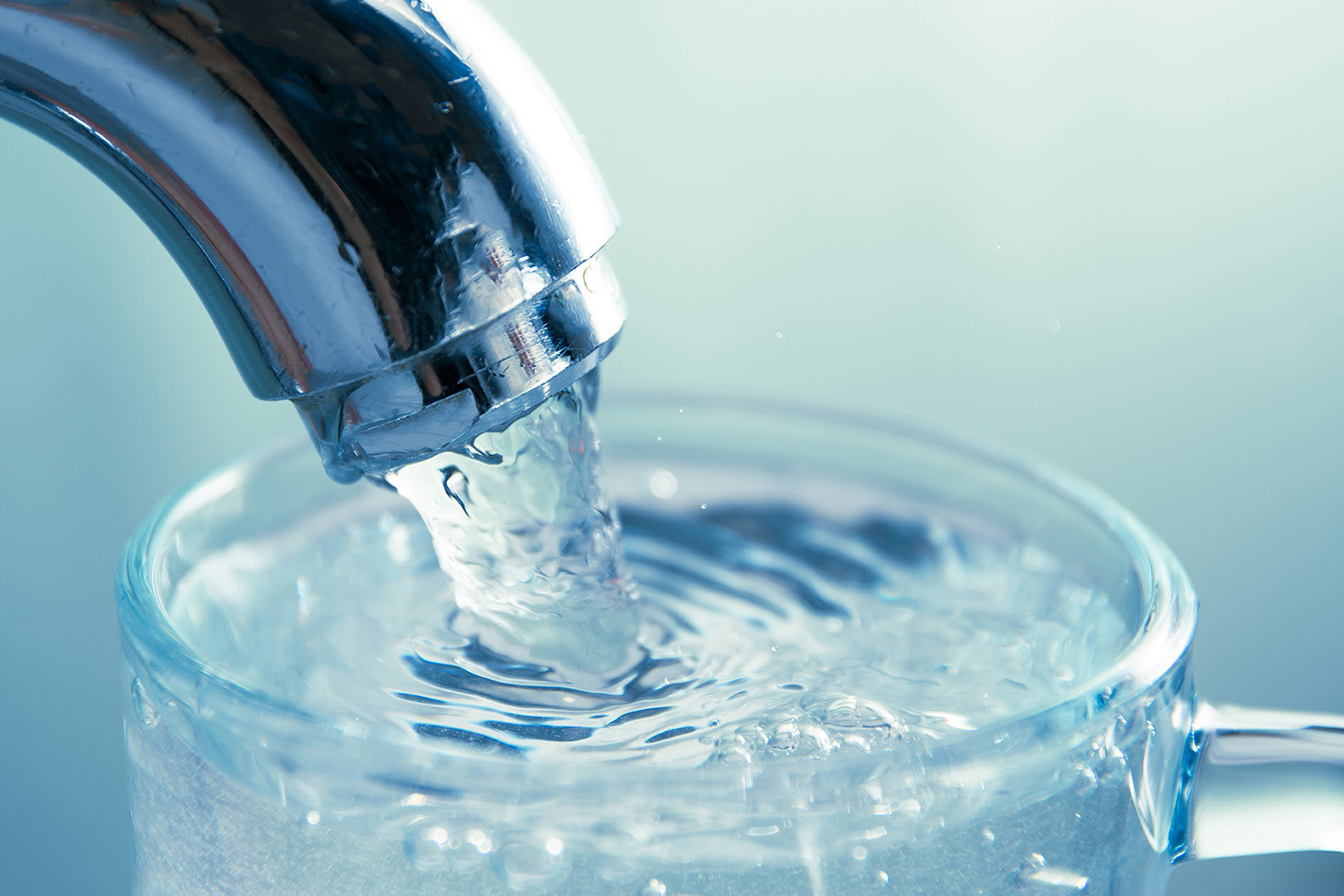
Not drinking enough water intensifies the body’s stress response. Staying hydrated could reduce risks linked to high cortisol.
Drinking insufficient water may heighten susceptibility to stress-related health problems, according to new research from scientists at LJMU.
The study found that individuals who consumed less than the recommended daily amount of fluids showed a stronger release of cortisol, the body’s main stress hormone. Elevated cortisol responses are linked to higher risks of heart disease, diabetes, and depression.
Published in the Journal of Applied Physiology, the research reported that people drinking under 1.5 liters of fluid per day (roughly seven cups of tea) exhibited stress-induced cortisol levels more than 50% greater than those who met recommended water intake.
Study lead Professor Neil Walsh, a physiologist in LJMU’s School of Sport and Exercise Sciences, said: “Cortisol is the body’s primary stress hormone and exaggerated cortisol reactivity to stress is associated with an increased risk of heart disease, diabetes and depression.”
“If you know you have a looming deadline or a speech to make, keeping a water bottle close could be a good habit with potential benefits for your long-term health.”
Poor long-term health
Neil and his colleagues divided healthy young adults into two equal groups based on their daily fluid consumption, representing the lowest and highest 25% of intake. The ‘low fluid’ group included participants who generally drank less than 1.5 liters of fluid each day (including water, tea, and other drinks). The ‘high fluid’ group was made up of individuals who consistently met the recommended intake of 2 liters for women and 2.5 liters for men. Both groups were balanced for important factors that can affect stress responses, such as psychological traits and sleep patterns.
For one week, participants continued with their normal drinking habits while their hydration status was tracked through blood and urine tests. Afterward, they completed the Trier Social Stress Test, a widely used method that recreates real-world stress by combining a mock job interview with a timed mental arithmetic challenge.
Dr Daniel Kashi, a member of the study team, said: “Both groups felt equally anxious and experienced similar increases in heart rate during the stress test. However, only the ‘low fluid’ group showed a significant increase in saliva cortisol in response to the stress test.”
He added: “Although the low fluid group did not report being thirstier than the high fluid group, they had darker and more concentrated urine, clear signs of poor hydration. An important observation was that poor hydration was associated with greater cortisol reactivity to the stress test. Exaggerated cortisol reactivity to stress has been associated with poor long-term health.”
“If you have a stressful schedule, keeping a bottle of water close could be a good habit,” says Dr Daniel Kashi, physiologist, LJMU.
Why is dehydration harmful?
The answer lies in the body’s water-regulation system, which is closely connected to the brain’s stress-response center. When the body senses dehydration, whether due to inadequate fluid intake or excessive fluid loss, it triggers the release of a hormone called vasopressin. Vasopressin acts primarily on the kidneys, promoting water reabsorption to maintain blood volume and electrolyte balance. This conservation mechanism comes at a cost. Sustained vasopressin release places additional strain on the kidneys, which must work harder to concentrate urine and manage electrolyte balance.
Vasopressin also acts on the brain’s stress-response center, the hypothalamus, where it can influence the release of cortisol. This dual role for vasopressin helps maintain blood volume and electrolyte balance but also increases cortisol.
The researchers say that while further long-term studies are needed, the findings reinforce current water intake recommendations — approximately 2 liters of fluid each day for women and 2.5 liters for men.
Hydration helps us manage stress
“Being hydrated may help your body manage stress more effectively,” added Dr Kashi. A practical way to check your hydration status is to monitor your urine color — light yellow typically indicates good hydration.
“If you know, for example, that you have a stressful schedule, maybe a looming deadline or a speech to make, keeping a water bottle close could be a good habit with potential benefits for your long-term health.”
Reality Of Islam |
|

Scientists

NASA’

Mass spectr

As space ex
 9:3:43
2018-11-05
9:3:43
2018-11-05
10 benefits of Marriage in Islam
7:5:22
2019-04-08
benefits of reciting surat yunus, hud &
9:45:7
2018-12-24
advantages & disadvantages of divorce
11:35:12
2018-06-10
6:0:51
2018-10-16
6:0:8
2023-03-19
1:16:44
2018-05-14
10:43:56
2022-06-22
4:26:43
2022-02-21
2:11:12
2022-10-15
8:19:41
2018-06-21
4:25:57
2023-02-11
5:41:46
2023-03-18
| LATEST |
 HOME
HOME