الوضع الليلي


 2:44:9
  2026-10-06
  20
20

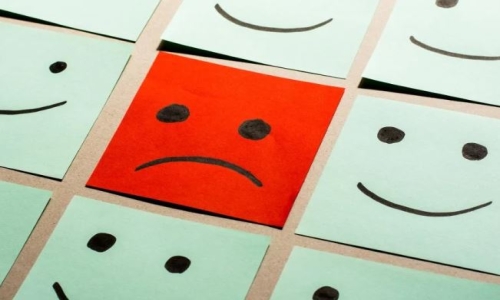
People with the same depression diagnosis can have opposite patterns of brain activity, with researchers identifying five distinct connectivity profiles linked to different symptoms.
Depression can take very different forms from one person to the next. For some, anxiety and relentless rumination may dominate daily life. Others may also struggle with post-traumatic stress or substance abuse. Despite those differences, they can all receive the same diagnosis of major depressive disorder.
According to World Health Organization estimates, depression affects roughly 332 million adults worldwide, or about 5.2% of the adult population. In Finland, it is the leading single cause of both prolonged sickness absences and disability pensions.
Five brain patterns under one diagnosis
If the symptoms can differ so sharply, researchers at the University of Helsinki wanted to know whether the same individuality could be found inside the brain. They measured brain activity in 263 people with major depressive disorder and compared them with 75 healthy control subjects.
The team used magnetoencephalography, or MEG, which detects the extremely weak magnetic fields produced by electrical activity in the brain. Unlike methods that track slower changes associated with brain activity, MEG can capture changes on the scale of milliseconds, allowing researchers to follow rapidly shifting patterns of neural activity.
Those measurements allowed the researchers to examine functional connectivity between different brain regions. Functional connectivity does not necessarily mean two areas are physically connected or that one directly causes activity in the other. Instead, it measures how closely their activity changes together over time, offering a way to identify regions that appear to be working as part of the same functional network.
The analysis separated the patients into five groups based on the strength and frequency of connectivity between brain regions. Some showed unusually strong connectivity, while others showed the opposite pattern.
“What was particularly interesting was the contrasting patterns of brain activity found under the umbrella of the same depression diagnoses. In some individuals, the functional connectivity between brain regions was stronger than usual, while in others it was weaker,” says Director Satu Palva of the Neuroscience Center, University of Helsinki.
The analysis divided the patients into five groups based on the strength and frequency of connectivity between brain regions:
All five groups also differed from the healthy control subjects. Those differences involved not only the strength of connectivity, but also which brain regions were involved and the frequencies at which the connectivity occurred.
Opposite patterns may explain past conflicts
Those opposing patterns could help explain why previous brain studies of depression have sometimes produced conflicting results. If one group of patients shows increased connectivity while another shows decreased connectivity, combining them under a single diagnostic category could obscure both patterns. The results therefore support the possibility that people who share a depression diagnosis do not necessarily share the same underlying biological changes.
MEG captures changes millisecond by millisecond
MEG gave the researchers a particularly detailed view of those differences because it can track brain activity far faster than many other imaging approaches.
“MEG enabled us to monitor electrical brain activity with millisecond precision, helping us get closer to what actually happens in the brain at any given moment. Previously, depression phenotypes have been studied using methods with slower responses,” Palva notes.
Brain scans cannot guide treatment yet
The differences are not yet precise enough to turn a brain scan into a treatment recommendation. Depression treatment still depends on clinical evaluation, and finding an effective therapy for an individual patient can involve trying different approaches.
“We’re not yet at the point where brain measurements can be used to choose the right treatment for patients, but the study does show one possible route,” Palva says.
The longer-term goal is to connect particular symptom patterns with the way each patient’s brain functions. If researchers can establish those links reliably, brain activity measurements could eventually help doctors identify suitable treatments more quickly instead of relying as heavily on trial and error.
Reality Of Islam |
|
MIT enginee
Scientists

Researchers

A new gener
 9:3:43
2018-11-05
9:3:43
2018-11-05
10 benefits of Marriage in Islam
7:5:22
2019-04-08
benefits of reciting surat yunus, hud &
9:45:7
2018-12-24
advantages & disadvantages of divorce
11:35:12
2018-06-10
6:0:51
2018-10-16
7:32:24
2022-02-14
3:43:50
2022-11-05
7:26:19
2022-04-08
6:0:8
2023-03-19
7:45:39
2018-06-21
al-hussain (peace be upon him)
10:18:1
2022-09-21
2:5:14
2023-01-28
5:41:46
2023-03-18
| LATEST |
 HOME
HOME