الوضع الليلي


 3:7:31
  2019-12-03
  1653
1653
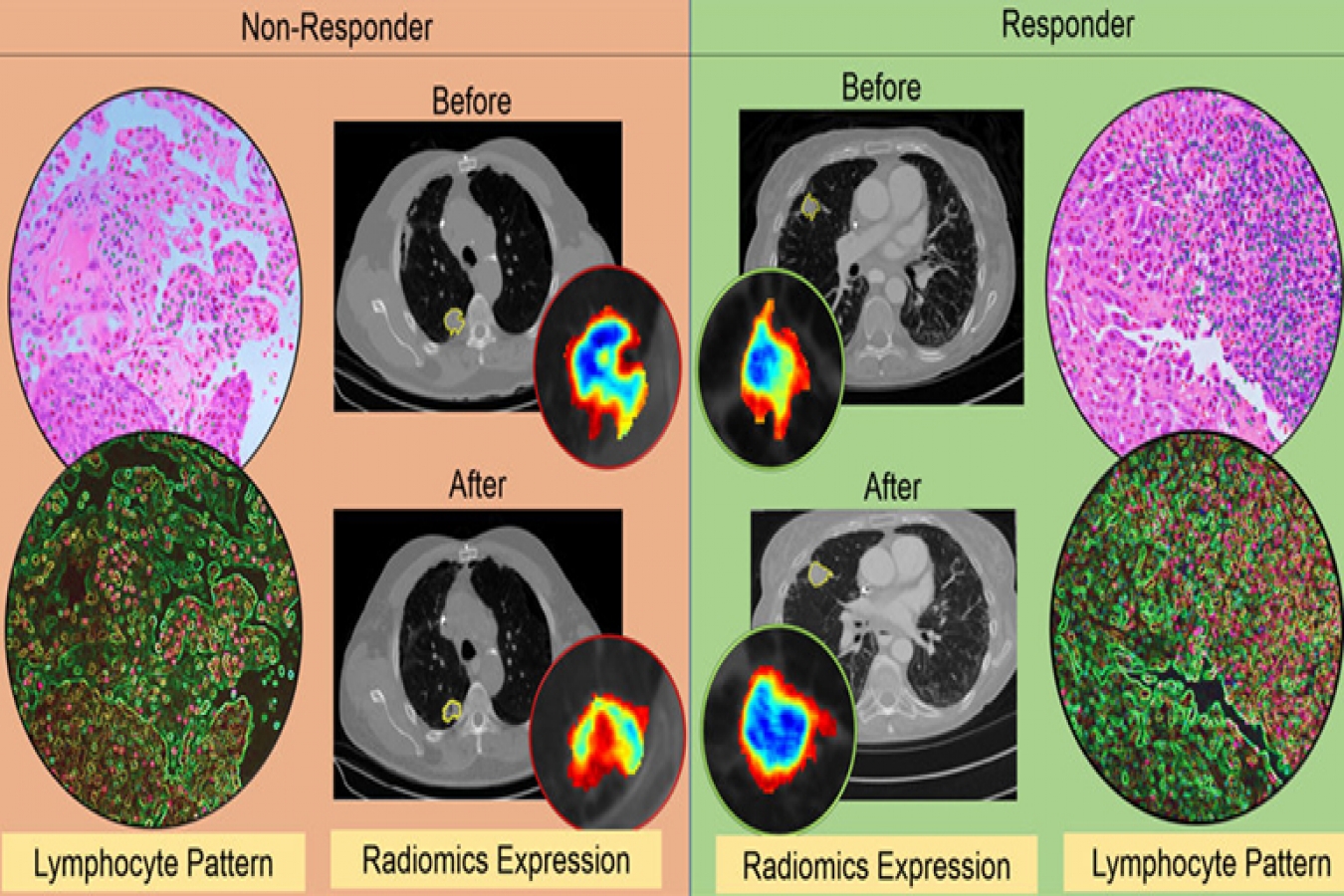
Researchers from Case Western Reserve University have developed a new computational tool to predict, based on CT imaging, whether lung cancer patients will benefit from immune-checkpoint inhibitor cancer therapy. This is an exciting development for patients suffering from lung cancer, and may one day help inform medical decisions.
Currently, there are no predictive biomarkers to point to whether non-small cell lung cancer (NSLC) patients will benefit from immune-checkpoint inhibitor therapy, a new form of cancer therapy that helps the body’s immune system fight cancer more effectively. Currently, only 1 out of 5 NSLC patients benefit from immune checkpoint inhibitor therapy. In order to better inform medical decision-making, researchers developed a computational tool to predict whether patients would benefit from therapy based on CT images of the lungs.
A NSLC patient would first undergo CT imaging, helping visualize the tumor nodule in the lungs. The computational tool analyzes the size of the nodule, along with more subtle features like texture and shape. These features are then used to predict whether or not a patient would respond to immune-checkpoint therapy. The researchers trained a linear discriminant analysis (LDA) classifier using data from 139 NSLC patients for this task, but the system can probably be improved with a larger dataset.
Using multiple datasets for training and validation, the researchers found an area under the curve of 0.81 to 0.85 in identifying responders from non-responders. They also identified that the radiological features they identified were associated with greater infiltration of immune cells into lung tissue, based on diagnostic biopsies performed on some of the patients in the study. Future work will include testing the algorithm on cases from other clinical sites and with different immunotherapy agents.
“This is important because when a doctor decides based on CT images alone whether a patient has responded to therapy, it is often based on the size of the lesion,” said Mohammad Khorrami, a graduate student and co-author of the study, in a Case Western press release. “We have found that textural change is a better predictor of whether the therapy is working.
“This is a demonstration of the fundamental value of the program, that our machine-learning model could predict response in patients treated with different immune checkpoint inhibitors,” said Prateek Prasanna, a postdoctoral research associate and co-author of the study. “We are dealing with a fundamental biological principal.”
Reality Of Islam |
|
NASA has de
MIT researc

Researchers
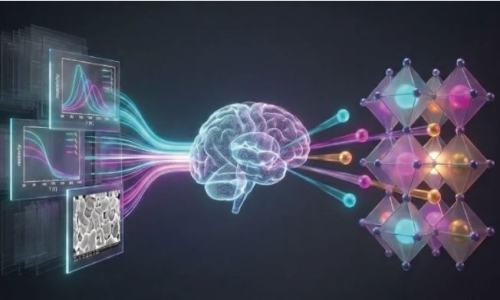
Researchers
 9:3:43
2018-11-05
9:3:43
2018-11-05
10 benefits of Marriage in Islam
7:5:22
2019-04-08
benefits of reciting surat yunus, hud &
9:45:7
2018-12-24
advantages & disadvantages of divorce
11:35:12
2018-06-10
6:0:51
2018-10-16
8:21:9
2018-06-21
8:25:12
2022-03-09
6:14:17
2018-06-21
2:2:13
2022-10-08
10:47:11
2022-11-22
al-hussain (peace be upon him)
10:18:1
2022-09-21
12:47:1
2022-12-20
5:41:46
2023-03-18
| LATEST |
 HOME
HOME