الوضع الليلي


 10:41:20
  2025-09-30
  1402
1402

Scientists are testing a novel blood-based method to detect Alzheimer’s disease by analyzing microvesicles that reveal how the brain uses glucose.
Researchers at Northern Arizona University (NAU) are exploring a new approach that could allow doctors to detect Alzheimer’s disease earlier and possibly slow its progression.
The project is led by Travis Gibbons, an assistant professor in the Department of Biological Sciences, with partial funding from the Arizona Alzheimer’s Association. His work focuses on brain metabolism, particularly the way the brain processes glucose, the sugar that powers thinking, movement, and emotion.
“The brain is like a muscle,” Gibbons said. “It needs fuel to do work, and its gasoline is blood glucose. A healthy brain is greedy; it burns through glucose fast. But brain metabolism is slower when you have Alzheimer’s. It can be viewed as a canary in the coal mine in the development of the disease.”
Studying how the brain uses glucose has been a long-standing challenge because the organ is difficult to access. In the past, researchers sometimes inserted catheters into veins in the neck to draw blood as it left the brain, but that invasive procedure is far from practical for routine testing.
Gibbons and his team are now testing a more practical alternative. With the help of newly available commercial kits, they can isolate and analyze microvesicles that move through the bloodstream. These tiny particles can reveal valuable information about what is happening inside brain cells without requiring invasive procedures.
“Some of these microvesicles originate in a neuron in your brain, and they’re like messengers carrying cargo,” Gibbons explained. “With these test kits, we can find what kind of cargo is in a microvesicle and run tests on it. It’s been described as a biopsy for the brain, but much less invasive. That’s the appeal of it.”
Toward Non-Invasive Alzheimer’s Detection
This technique, while still in development, could revolutionize how doctors detect and monitor Alzheimer’s disease. Gibbons said the process is complex, requiring precision and patience, but the potential is enormous.
In a previous study, Gibbons and his colleagues administered insulin through the nose, a method that allows the insulin to reach the brain more effectively than traditional injections. Afterward, his team sampled blood exiting those subjects’ brains and found biomarkers indicating improved neuroplasticity. Now, they’re working to detect those same markers in microvesicles.
The research is unfolding in stages. First, Gibbons is testing the method in healthy individuals. Then, he’ll compare results across people with mild cognitive impairment and people who have been diagnosed with Alzheimer’s, hoping to track the disease’s progression through changes in glucose metabolism.
“Brain function is notoriously hard to measure, but we’re getting better and better at interrogating brain function through biomarkers,” Gibbons said. “Soon, we might be able to help people protect their brain health and prevent Alzheimer’s disease the same way we protect people from cardiovascular disease by prescribing moderate exercise and a healthy diet. That will help us manage the burden on aging people and society as a whole.”
Reality Of Islam |
|

Scientists

NASA’
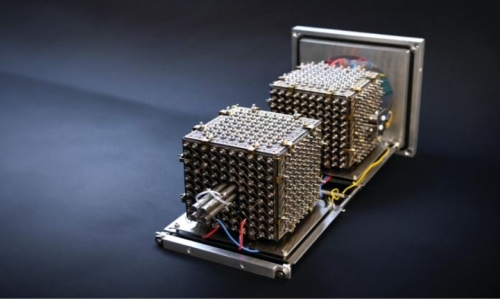
Mass spectr
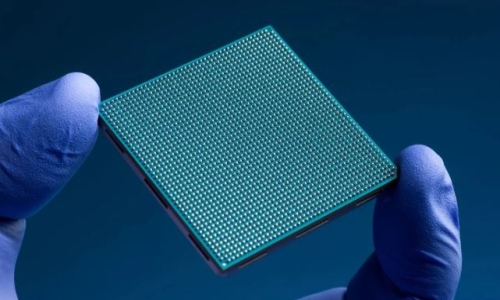
As space ex
 9:3:43
2018-11-05
9:3:43
2018-11-05
10 benefits of Marriage in Islam
7:5:22
2019-04-08
benefits of reciting surat yunus, hud &
9:45:7
2018-12-24
advantages & disadvantages of divorce
11:35:12
2018-06-10
6:0:51
2018-10-16
7:26:19
2022-04-08
8:4:21
2022-01-08
8:19:41
2018-06-21
6:28:21
2022-12-20
7:32:24
2022-02-14
2:2:13
2022-10-08
6:0:8
2023-03-19
5:41:46
2023-03-18
| LATEST |
 HOME
HOME