الوضع الليلي


 6:34:34
  2025-03-11
  1462
1462

Nuclear power comes with almost zero greenhouse gas emissions, but has its own issues in the form of radioactive waste.
A new study proposes one way to repurpose this waste: powering batteries for microelectronics.
Researchers in the US used ambient gamma radiation given off by nuclear waste to generate enough energy to run microchips. This kind of power is currently limited to small sensors, but the team believes it could be scaled up.
"We're harvesting something considered as waste, and by nature, trying to turn it into treasure," says nuclear engineer Raymond Cao from Ohio State University.
About 10 percent of the world's energy demands are currently met by nuclear power, an alternative to the fossil fuels we've traditionally relied on. If scientists are able to make use of its waste, it may become a more appealing option.
Nuclear batteries – devices that turn radioactive decay into electricity – have been in the works for decades, but the technology has yet to be made practically viable.
Here, power was generated through two stages: first, scintillator crystal converted the radiation into light, and then solar cells turned this light into electricity. The prototype battery measured about 4 cubic centimeters (0.24 cubic inches).
When tested with two radioactive sources, cesium-137 and cobalt-60 – both common waste products from nuclear fission – the battery generated 288 nanowatts and 1.5 microwatts, respectively.
"These are breakthrough results in terms of power output," says Ibrahim Oksuz, an aerospace engineer from Ohio State University.
"This two-step process is still in its preliminary stages, but the next step involves generating greater watts with scale-up constructs."
These batteries would be used near facilities where nuclear waste is produced, not by the public, but there's the potential here for sensors and monitors that would require very little maintenance.
The battery itself would be safe to touch and wouldn't pollute its surroundings, the researchers say, though there are still outstanding questions over how long the power source might last once installed.
"The radiation hardness requirements for both the scintillator and the photovoltaic cell are significant and should be a key focus of investigation by researchers working on this topic," the team writes.
It's possible the technology could be used in other places where gamma radiation is found, such as out in space. Significant upgrades to this prototype will be needed, but the researchers are confident the basic idea works.
During the study, the team also made important discoveries about how the configuration of the crystals and solar cells can affect conversion rates and output – which can be taken forward into future research.
"The nuclear battery concept is very promising," says Oksuz.
"There's still lots of room for improvement, but I believe in the future, this approach will carve an important space for itself in both the energy production and sensors industry."
Reality Of Islam |
|
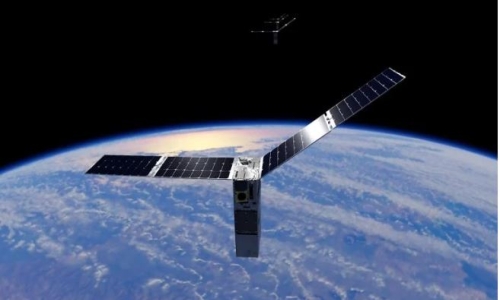
NASA has de
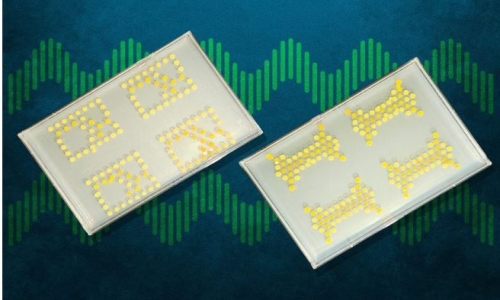
MIT researc
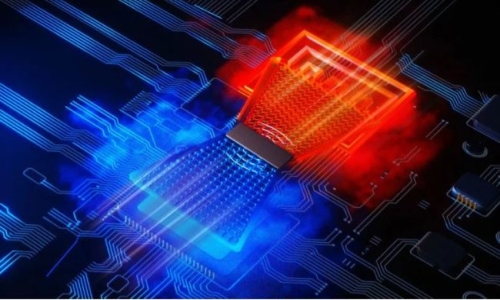
Researchers
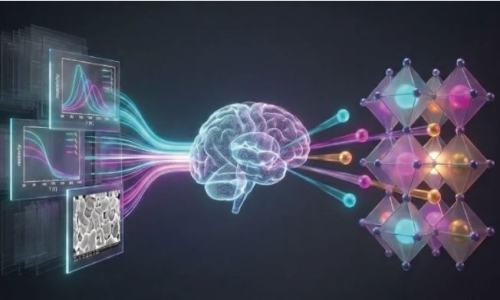
Researchers
 9:3:43
2018-11-05
9:3:43
2018-11-05
10 benefits of Marriage in Islam
7:5:22
2019-04-08
benefits of reciting surat yunus, hud &
9:45:7
2018-12-24
advantages & disadvantages of divorce
11:35:12
2018-06-10
6:0:51
2018-10-16
3:43:50
2022-11-05
8:21:9
2018-06-21
12:47:1
2022-12-20
8:39:51
2022-09-23
9:42:16
2022-10-19
5:57:34
2023-03-18
10:43:56
2022-06-22
5:41:46
2023-03-18
| LATEST |
 HOME
HOME